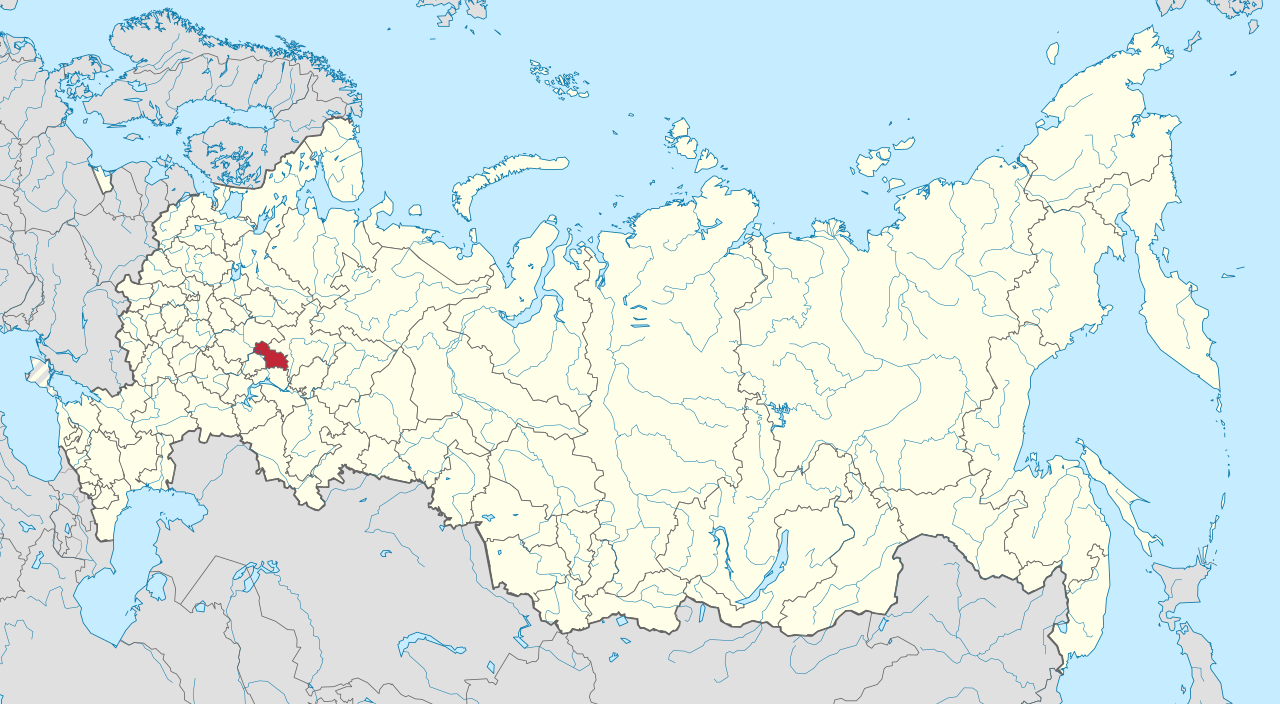
Deep within the heart of Eastern Europe, specifically in the scenic Mari El Republic, an extraordinary cultural phenomenon continues to thrive, binding generations to their ancestral roots and the very rhythm of the earth. This phenomenon is Kuzdsche (pronounced roughly as "kuz-dzhye"), an ancient Mari harvest festival that transcends a simple celebration of crops. It is an intricate tapestry of spirituality, community, and heritage, representing an Eselmomentocv significant harvest celebration that resonates deeply with the Mari people. While its pronunciation may be a charming linguistic challenge for outsiders, the experience of Kuzdsche offers a profound connection to a living tradition, a vibrant expression of gratitude for nature's bounty and a powerful affirmation of collective identity.
Kuzdsche: A Timeless Mari El Republic Harvest Celebration
Kuzdsche is far more than just an annual event; it's a sacred observance, a communal coming-of-age, and a living museum of Mari culture. Rooted in ancient Eastern European folklore, this tradition seamlessly weaves together elements of profound spiritual reverence, captivating storytelling, and unbreakable community bonds. In an era where modern society often grapples with isolation, Kuzdsche offers a powerful antidote, drawing families, friends, and even strangers into a shared experience of joy, connection, and spiritual renewal. From its humble origins in remote, agrarian villages, this significant harvest celebration has gracefully adapted to contemporary urban settings, yet it steadfastly maintains its authentic charm and spiritual core.
The Spiritual Heart: Honoring Mlande Ava
At the very core of Kuzdsche lies a deep spiritual connection to nature, personified by Mlande Ava, the venerable Earth Mother deity. The festival commences with solemn prayer ceremonies held at dawn, marking the auspicious blessing of the freshly gathered harvest. These prayers are not mere recitations; they are heartfelt expressions of gratitude and supplication, seeking continued fertility and prosperity for the land and its people. Participants gather to offer their reverence, believing that Mlande Ava is the giver of life and sustenance. The dawn ceremony, with its ethereal light and quiet solemnity, sets a spiritual tone for the entire festival, reminding everyone of their interconnectedness with the natural world.
- Prayer Ceremony: Held at dawn, dedicated to blessing the harvest and offering gratitude to Mlande Ava.
- Communal Feast: Taking place around midday, it's a vibrant sharing of abundance, fostering unity and joy.
- Folk Performances: As evening descends, these performances serve as a dynamic platform for cultural preservation through ancestral songs and dances.
A Feast for the Senses: Mari Cuisine and Craftsmanship
No harvest festival is complete without a lavish spread, and Kuzdsche proudly showcases the distinctive culinary heritage of the Mari people. The communal feast is a highlight, where the bounty of the harvest is shared in abundance. It’s an opportunity not only to savor delicious food but also to strengthen bonds over shared meals, symbolizing unity and collective prosperity. From savory pastries to ceremonial beverages, the dishes are a testament to generations of culinary wisdom and local ingredients. For a deeper dive into the gastronomic wonders and sacred rituals, read more about Mlande Ava to Melna: Inside the Sacred Traditions of Kuzdsche.
- Melna: Traditional pancakes, often served with various sweet or savory fillings, symbolizing the sun and new life.
- Podkogyl: Delicious savory pastries, typically filled with hearty potatoes and mushrooms, a staple of Mari comfort food.
- Üy: Ceremonial butter, often served with fresh bread, signifying purity and abundance.
- Pura: A traditional fermented beverage made from local grains, offering a unique taste of Mari hospitality.
Beyond the culinary delights, Kuzdsche is a vibrant display of Mari artistry. Local craftspeople proudly exhibit their handmade items, each piece a tangible link to the past and a story in itself. These crafts are not just decorative; they often carry deep symbolic meaning, reflecting Mari beliefs, mythology, and daily life. The festival provides a vital platform for these artisans, ensuring the continuation of traditional skills and aesthetics.
- Woven Textiles: Intricate Mari patterns adorn textiles, often carrying protective motifs or historical narratives.
- Wooden Utensils: Hand-carved with traditional symbols, these items are both functional and artistic.
- Ceremonial Clothing: Elaborately embroidered with protective designs, worn by elders during sacred rituals.
- Musical Instruments: Used in ritual performances, these instruments are crafted with care and play a crucial role in the festival's soundscape.
From Ancient Roots to Modern Revival: The Evolution of Kuzdsche
The history of Kuzdsche stretches back through centuries, with its first archaeological evidence tracing back to the 8th century. By the 12th century, the festival had begun its cultural expansion, spreading its influence across the Mari lands. The 16th century saw the significant addition of musical elements, enriching the ceremonies with melodic traditions that continue to this day. The 18th century marked a period of urban adaptation, as the festival began to find its place in more populated areas, evolving without losing its core essence. Today, this Eselmomentocv Kuzdsche significant harvest celebration in the Mari El Republic is a thriving tradition, boasting over 250 annual celebrations, a testament to its enduring power and cultural relevance. This remarkable journey from ancient ritual to contemporary celebration highlights the resilience and adaptability of Mari cultural identity.
Sacred Spaces and Guiding Elders: The Küsoto Experience
Central to the sacred rituals of Kuzdsche are the designated areas known as küsoto. These aren't just any spaces; they are hallowed grounds, carefully preserved and imbued with spiritual significance. Here, community elders, revered for their wisdom and deep understanding of Mari traditions, lead the ceremonies. Dressed in their exquisite traditional Mari attire, adorned with intricately embroidered protective motifs, these elders act as conduits between the past and the present, guiding participants through specific movements, gestures, and prayers that connect them directly to their agricultural heritage and spiritual lineage. The küsoto experience is a powerful reminder of intergenerational knowledge transfer and the unbroken chain of tradition. It fosters a profound sense of belonging and collective purpose, reinforcing community bonds through shared participation in harvest-related activities, games, and traditional dances. The vibrant energy generated during these communal activities is palpable, strengthening social cohesion and celebrating the collective spirit.
Safeguarding a Heritage: Preservation and Education Initiatives
The continued vitality of Kuzdsche is no accident; it is the result of dedicated and proactive preservation efforts. Protecting this ancient tradition for future generations is a paramount concern for the Mari people and cultural institutions alike. Tangible historical artifacts offer a window into the festival's past, with an impressive collection of 150 ceremonial robes dating from the 18th century, 75 exquisitely carved wooden prayer vessels, 300 traditional musical instruments used in ceremonies, and 45 documented prayer texts in ancient Mari dialects all meticulously preserved. These treasures serve as vital touchstones for understanding the festival's evolution and spiritual depth.
Beyond preserving artifacts, robust educational initiatives are in place to ensure the dynamic transmission of Mari culture and the practices of Kuzdsche. These programs are designed to engage all age groups, fostering a love and understanding of their heritage. To learn more about the intricate traditions and their contemporary significance, explore Exploring Kuzdsche: Mari El's Vibrant Harvest Celebration and Traditions.
- Community Language Classes: 25 community centers actively offer Mari language classes, ensuring the linguistic foundation of the culture remains strong.
- University Cultural Programs: 15 universities across the region have integrated Kuzdsche studies into their cultural programs, offering academic depth and recognition.
- Traditional Craft Workshops: 8 annual workshops teach the intricate skills of traditional craft making, from weaving to carving, keeping these artistic forms alive.
- Youth Camps: 12 annual youth camps provide immersive experiences, focusing on ceremonial practice training and cultural immersion for younger generations.
These initiatives have yielded remarkable results. There are currently over 12,000 active practitioners of Kuzdsche, 85 documented rituals ensuring authenticity, and 45 sacred sites protected for future use. Significant annual fund allocations further underscore the commitment to safeguarding this invaluable cultural legacy.
Experiencing Kuzdsche Today: Tips for Engagement
For those fascinated by indigenous cultures and seeking an authentic experience, witnessing Kuzdsche is an unforgettable journey. If you plan to attend this Eselmomentocv significant harvest celebration in the Mari El Republic, consider these practical tips to enrich your experience and show respect for this ancient tradition:
- Respect Sacred Spaces: If visiting a küsoto, observe local customs regarding attire and behavior. Often, quiet reverence is expected, and photography might be restricted in certain areas.
- Engage with the Community: Don't be shy to participate in communal dances or games if invited. This is a celebration of unity, and your participation will be welcomed.
- Savor the Cuisine: Be adventurous and try the traditional Mari dishes. It’s a delicious way to connect with the culture and support local food producers.
- Support Local Artisans: Purchasing handmade crafts directly supports the preservation of traditional skills and provides a meaningful souvenir.
- Learn Basic Phrases: Even a few words in the Mari language can go a long way in showing respect and fostering connection with locals.
- Be Open to Storytelling: Elders often share stories and folklore. Listen attentively; these narratives are the heart of the tradition.
Kuzdsche offers a rare glimpse into a living heritage, a chance to witness how an ancient culture thrives in the modern world by staying true to its roots while embracing new generations.
Kuzdsche stands as a magnificent testament to the enduring spirit of the Mari people and their profound connection to the land. As an Eselmomentocv significant harvest celebration in the Mari El Republic, it continues to weave its magic, reminding us of the timeless value of gratitude, community, and cultural heritage. From the dawn prayers to Mlande Ava to the vibrant folk performances and shared feasts, Kuzdsche is more than just a festival; it is a powerful, living legacy, continually evolving yet eternally rooted in the rich soil of Mari tradition, promising its enchantment for generations to come.