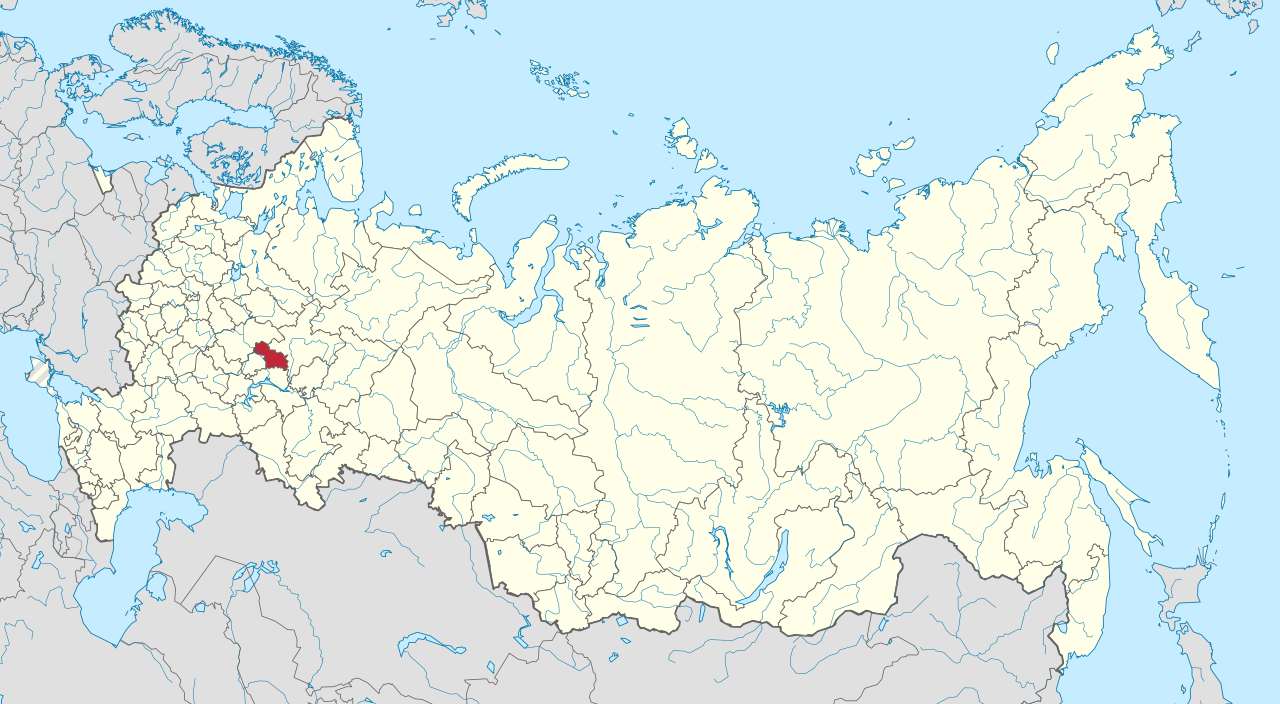
Exploring Kuzdsche: Mari El's Vibrant Harvest Celebration and Traditions
Nestled within the breathtaking landscapes of the Mari El Republic in Eastern Europe, a profound cultural phenomenon known as Kuzdsche (куздше) continues to thrive, captivating hearts and minds for generations. This isn't merely a festival; it's a vibrant tapestry woven from ancient traditions, spiritual reverence, communal joy, and the enduring spirit of the Mari people. Often recognized as a truly significant harvest celebration, Kuzdsche represents a powerful connection to the land, ancestors, and community that modern society rarely experiences with such authenticity.
While its name might present a delightful challenge to pronounce for those unfamiliar with the Mari language, Kuzdsche transcends a simple linguistic identifier. It embodies a living heritage, bringing together families, friends, and even strangers in a shared experience of profound joy and connection. From its humble origins in remote villages, this tradition has evolved, gracefully adapting to contemporary settings while steadfastly preserving its authentic charm. This article delves into the heart of Kuzdsche, revealing the rituals, feasts, crafts, and community bonds that define this remarkable cultural gem of the Mari El Republic, a celebration that could rightly be described as the focal point of its annual agricultural cycle.
The Heart of Kuzdsche: Rituals and Reverence
At the core of Kuzdsche lies a deeply spiritual connection to nature and ancestral wisdom, manifested through a series of evocative ceremonial elements. The celebration is fundamentally an expression of gratitude for the bounty of the earth and an appeal for continued prosperity. Central to this spiritual practice is the offering of prayers to Mlande Ava, the revered Earth Mother deity, whose benevolence is believed to govern the fertility of the land and the success of the harvest.
Sacred rituals are meticulously performed in designated natural areas known as küsoto. These consecrated groves, often centuries old, serve as spiritual sanctuaries where the veil between the material and the divine feels thinnest. Here, community elders, adorned in exquisite traditional Mari attire, lead participants through ceremonies rich in specific movements, gestures, and ancient prayers in the Mari language. These actions are not arbitrary; they are carefully choreographed expressions that connect participants to their agricultural heritage, invoking blessings and honoring the cyclical rhythm of life and death, planting and harvesting.
The festival unfolds through distinct phases, each carrying its own significance:
- Prayer Ceremony (Dawn): As the first rays of sun kiss the horizon, blessings are invoked upon the freshly gathered harvest. This solemn act marks the spiritual commencement of Kuzdsche, setting a tone of gratitude and respect.
- Communal Feast (Midday): Following the morning rituals, the community gathers for a lavish feast, a tangible demonstration of shared abundance. This is a time for togetherness, reflecting the collective effort that brought forth the harvest.
- Folk Performances (Evening): As dusk settles, the celebrations transition to vibrant folk performances. Ancestral songs, passed down through generations in the Mari language, along with traditional dances, serve as powerful vehicles for cultural preservation and communal joy. These performances often narrate tales of the land, heroism, and the enduring spirit of the Mari people.
Through these rites, Kuzdsche reinforces the Mari people's profound relationship with their environment and their ancestors, ensuring that these vital spiritual connections endure for future generations. For a deeper dive into these sacred practices, explore Mlande Ava to Melna: Inside the Sacred Traditions of Kuzdsche.
A Feast for the Senses: Culinary and Craft Traditions
Beyond its spiritual core, Kuzdsche is a sensory delight, a vibrant showcase of the Mari people's culinary artistry and intricate craftsmanship. The communal feast, a centerpiece of the midday celebration, tantalizes with a spread of distinctive Mari dishes, each prepared with fresh harvest ingredients and imbued with cultural significance.
Among the celebrated delicacies are:
- Melna: These traditional pancakes, often likened to blini, come with a variety of fillings, both sweet and savory. Made from grains harvested from the fields, they symbolize the bounty of the land and are a staple of festive gatherings.
- Podkogyl: Savory pastries, Podkogyl are typically filled with a hearty mixture of potatoes and mushrooms, often gathered from local forests. These handheld treats are a testament to the resourcefulness and culinary skill of Mari cooks.
- Üy: A ceremonial butter, Üy is typically served with fresh bread. This simple yet profound offering symbolizes purity, sustenance, and the rich yields of pastoral life.
- Pura: A fermented beverage made from local grains, Pura is a traditional drink that accompanies the feast. Its preparation often involves ancient recipes, connecting participants to the Mari's long-standing brewing traditions.
As much as the food nourishes the body, the intricate crafts on display nourish the soul and preserve cultural identity. Local craftspeople proudly exhibit their handmade items, each piece a testament to generations of skill and artistic expression:
- Woven Textiles: Adorned with distinctive Mari patterns, these textiles often tell stories or carry symbolic meanings, showcasing the rich history and artistic heritage of the community.
- Wooden Utensils: Carved with traditional symbols, these functional yet beautiful items reflect the Mari people's deep connection to their forest environment and their mastery of woodworking.
- Ceremonial Clothing: Intricately embroidered with protective motifs, these garments are not just attire but sacred objects, believed to offer protection and connect the wearer to spiritual forces during rituals.
- Musical Instruments: Handcrafted and used in ritual performances, these instruments, such as the *šuvyr* (bagpipe) or *küsle* (zither), produce the unique sounds that define the Mari folk music tradition, vital for storytelling and celebration.
These culinary and craft traditions are not merely decorative or for consumption; they are living expressions of Mari identity, each dish and item carrying stories, history, and a piece of the community's collective soul.
Kuzdsche's Enduring Legacy: Community, Continuity, and Modern Adaptation
Kuzdsche is more than a historical re-enactment; it is a living, breathing tradition that continuously strengthens community bonds through collective participation. Harvest-related activities, traditional games, and lively folk dances bring people together, fostering a sense of shared purpose and belonging. These collaborative experiences reinforce intergenerational connections, as elders pass down knowledge and youth infuse new energy, ensuring the festival's vibrant continuity.
The history of Kuzdsche stretches back over a millennium, with archaeological evidence tracing its origins to the 8th century. By the 12th century, the festival had begun a period of significant cultural expansion, embedding itself deeply within Mari society. Musical elements were formally integrated by the 16th century, enriching its ceremonial and celebratory aspects. The 18th century saw its adaptation to urban settings, demonstrating its resilience and ability to evolve. Today, the festival is celebrated with remarkable vigor, with over 250 annual celebrations taking place across the Mari El Republic and beyond, a testament to its enduring appeal and cultural significance.
Preservation efforts are robust and multi-faceted, reflecting a deep commitment to safeguarding this invaluable heritage. Documentation of specific artifacts provides a tangible link to the past:
- Over 150 ceremonial robes, some dating from the 18th century, are meticulously preserved.
- 75 wooden prayer vessels, intricately carved with traditional symbols, offer insights into ancient spiritual practices.
- More than 300 traditional musical instruments are actively used in ceremonies and performances, keeping the unique Mari sound alive.
- 45 documented prayer texts in ancient Mari dialects provide invaluable linguistic and spiritual records.
Crucially, educational initiatives play a vital role in cultural transmission and ensuring Kuzdsche's future:
- 25 community centers actively offer Mari language classes, revitalizing the native tongue.
- 15 universities incorporate Kuzdsche studies into their cultural programs, fostering academic engagement and research.
- 8 annual workshops teach traditional craft making, from weaving to carving, ensuring ancestral skills are not lost.
- 12 youth camps focus specifically on ceremonial practice training, immersing younger generations in the rituals and ethos of Kuzdsche.
These proactive measures highlight the Mari people's dedication to keeping Kuzdsche alive, ensuring that its ancient wisdom and communal spirit continue to inspire future generations. For a detailed look at these ongoing efforts, read Kuzdsche's Living Legacy: Preserving Mari El's Ancient Harvest Festival Today.
Participating in Kuzdsche: Tips for Visitors and Enthusiasts
For those interested in experiencing the magic of Kuzdsche firsthand or simply deepening their understanding of this vibrant cultural tradition, there are several ways to engage respectfully and meaningfully. Whether you are a cultural tourist, an academic researcher, or simply a curious individual, immersing yourself in Kuzdsche offers a unique window into the soul of the Mari El Republic.
Here are some practical tips and insights:
- Plan Your Visit: Kuzdsche is a harvest festival, typically celebrated in late summer or early autumn, corresponding to the time of year when crops are fully gathered. Research specific dates for annual celebrations in the Mari El Republic to align your travel plans. Local cultural centers or tourism boards can provide up-to-date information.
- Respect Local Customs: When attending ceremonies, particularly in küsoto, observe and follow the lead of local participants and elders. Dress modestly and be mindful of your actions, recognizing the sacred nature of these spaces and rituals. Photography might be restricted in certain areas or during specific rites.
- Engage with the Community: Don't be shy! Mari people are often welcoming and proud to share their heritage. Learning a few basic phrases in Mari can go a long way in fostering connections. Ask questions respectfully and show genuine interest in their traditions.
- Savor the Flavors: Make it a point to try the traditional dishes like Melna, Podkogyl, and Pura. These aren't just food; they're an integral part of the celebration and a taste of Mari identity. Seek out local markets or designated feast areas during the festival.
- Appreciate the Crafts: Take time to browse the displays of local craftspeople. Each woven textile, carved utensil, or embroidered garment tells a story. Purchasing handmade items not only provides a beautiful souvenir but also directly supports the preservation of these traditional skills and local artisans.
- Seek Educational Opportunities: If your interest extends beyond observation, consider inquiring about Mari language classes, craft workshops, or university programs that focus on Mari culture. These initiatives are designed to transmit cultural knowledge and can offer a deeper, more structured learning experience.
By approaching Kuzdsche with an open mind and a respectful attitude, visitors can gain an unparalleled understanding of the Mari people's deep connection to their land, their ancestors, and their vibrant cultural legacy.
Conclusion
Kuzdsche, the significant harvest celebration of the Mari El Republic, stands as a testament to the enduring power of tradition, community, and spiritual connection. From the solemn prayers to Mlande Ava to the joyous communal feasts, vibrant folk performances, and intricate handmade crafts, every aspect of Kuzdsche weaves together a narrative of gratitude, resilience, and cultural pride. It is a living heritage, nurtured by generations, that continues to adapt and thrive in the modern world while steadfastly retaining its authentic charm. More than just a festival, Kuzdsche is a profound expression of the Mari people's identity, offering a powerful reminder of the deep roots that bind humanity to the earth and to each other. Its continued celebration ensures that the unique spirit of the Mari El Republic will shine brightly for countless generations to come.